

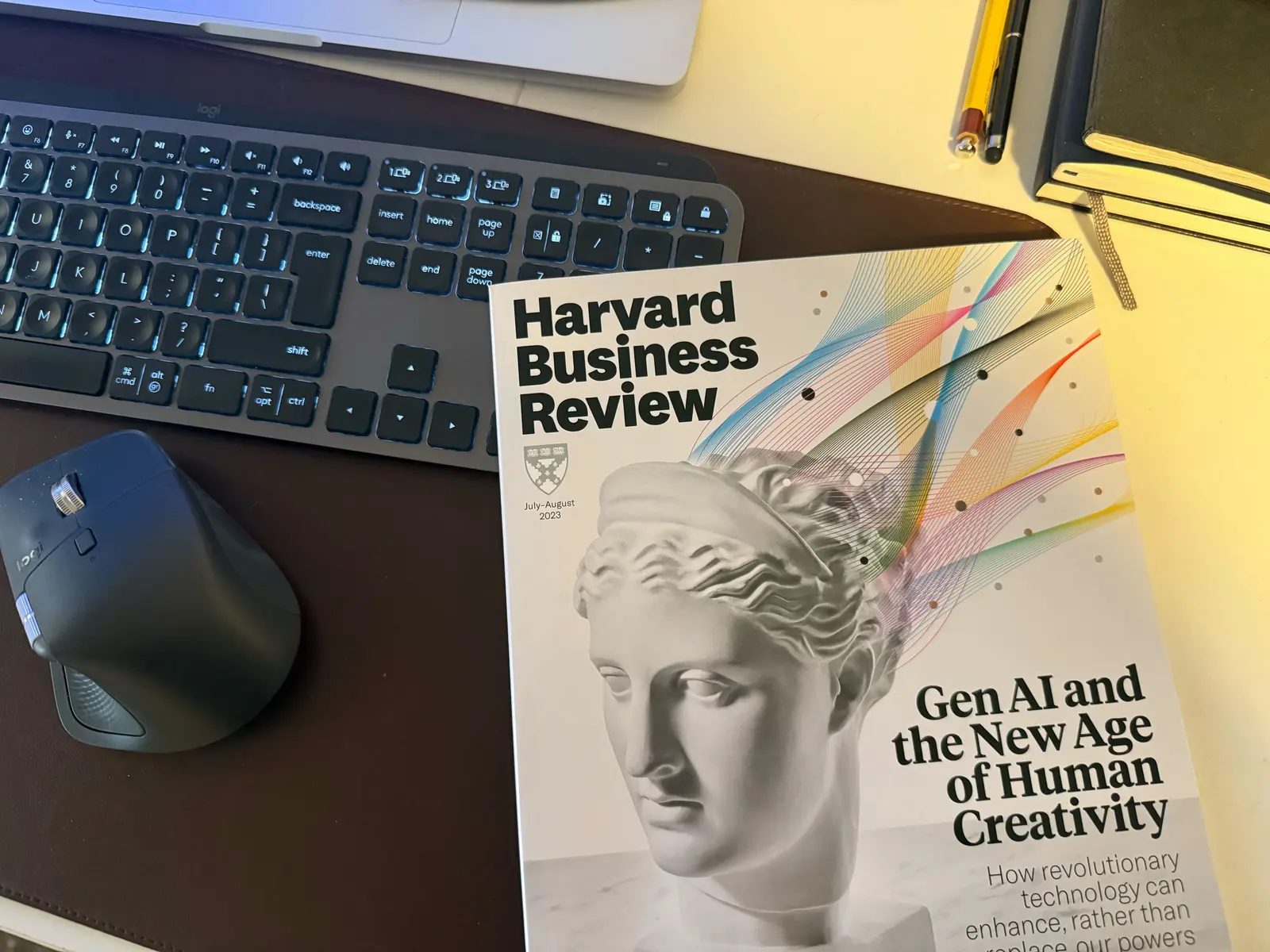
The article
In the magazine's How We Did It section, Roman tells in the first person how his company prepared for the war before it began, what happened on the first day, and how it kept working through the year after.
The podcast
In August, Roman talked it through with host Curt Nickisch on HBR IdeaCast, Harvard Business Review's weekly podcast: why the team started planning months ahead, what they told clients and employees, and what any company can take from it.
Roman also spoke at HBR Live, Harvard Business Review's virtual event, in May 2023.
What happened
Lessons for any crisis
- Plan for every scenario. Green for the hopeful case, orange for the likely one, red for the worst, and get ready for red. Believing in one future doesn't remove the need to be ready for the others.
- Decide fast. In the first days, every decision put off cost twice as much the week after.
- Communicate openly and often, with clients and with the team, on a fixed rhythm.
- Put people first. “Without people there is no company.” If they follow you, support them and keep their trust.
- Think a few steps ahead. Hiring abroad had started before the war, so the processes were ready when they were needed.
- Calm your mind before you decide. Roman's personal advice: first make yourself feel safe and calm, then make the decision.
Why it's on this site
AI Adoption Score measures the human side of change: how people work, what they can do, and what holds them back. The habit behind it runs through this story. In the first weeks of the war the company didn't guess how it was doing; it asked people every day what they could commit to, and knew within two weeks that output was back above 80%.
Roman builds AI Adoption Score. See how he measures AI adoption in his DevWorld talk, Measuring AI Adoption Across People & Orgs (opens in a new tab), or who else is behind the product (opens in a new tab).